Coustra launches beta and reveals early findings from AI-driven market research
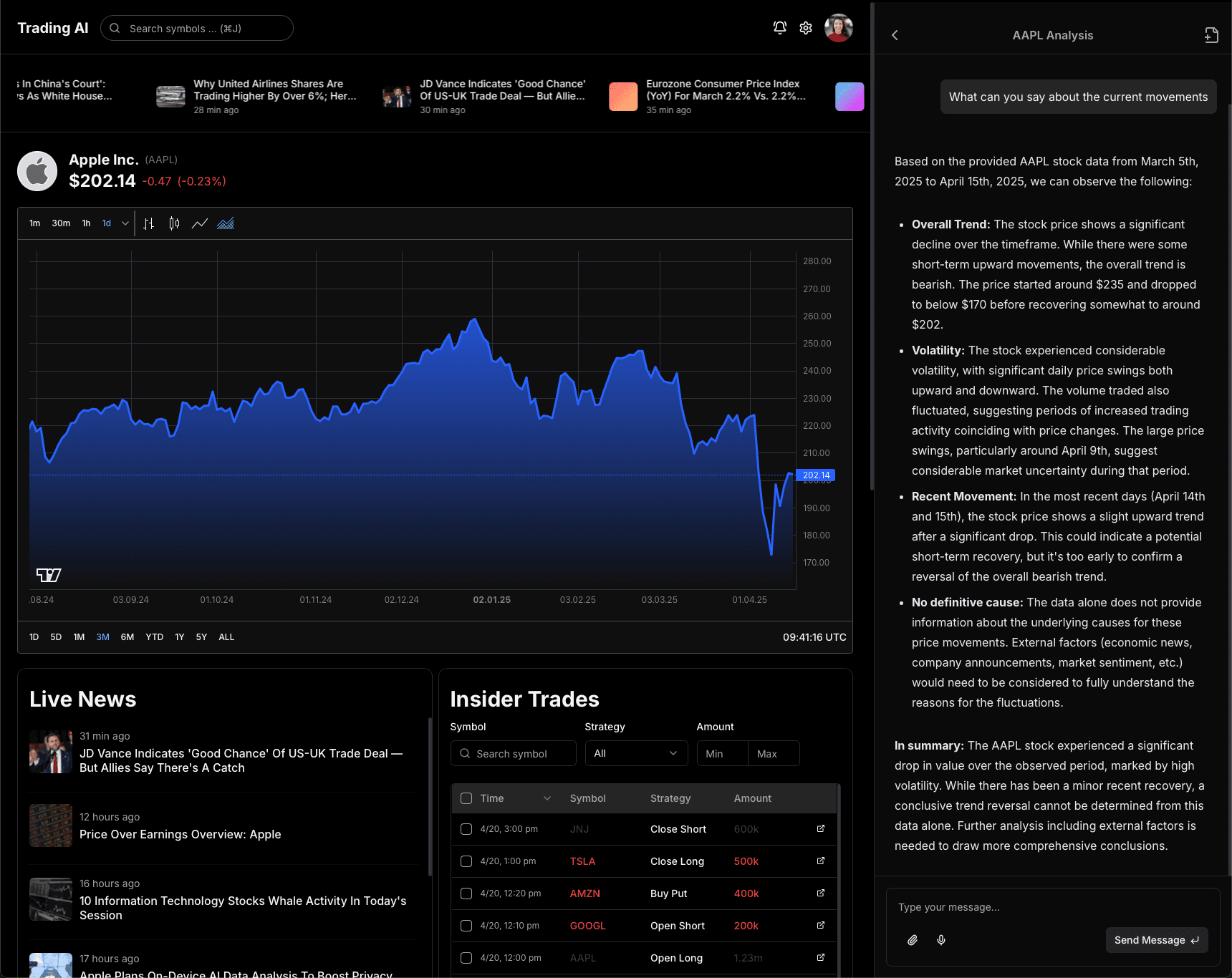
Today marks a major milestone for Coustra: the first public beta of our AI research platform is now live. After years of development and months of working alongside early analysts and funds, we are opening access to teams who want to rethink how research gets done.
Coustra was born from a simple frustration — research moves slower than markets. Analysts lose valuable time gathering information, validating sources, and stitching insights across tools that were never built to work together. By the time certainty is reached, the opportunity often isn’t.
The beta introduces continuous monitoring, customizable agent workflows, structured findings, and our recursive analysis engine — all designed to reduce research friction and increase clarity.
Early case study: Hidden volatility buildup found ahead of corporate announcements
During internal tests, we discovered a recurring volatility pattern in mid-cap tech stocks: subtle price movements and micro-structure shifts appeared 18–36 hours before major company updates. Traditional scanners never caught this because the signals were too scattered.
Coustra’s agents connected these signals automatically, surfacing an insight that previously required hours of manual investigative work.
Case study: Cutting sector rotation research time by 70%
Sector rotation strategies depend on a complex mix of macro data, flows, and momentum shifts. Analysts often spend days synthesizing these datapoints.
By using Coustra's datapoint workflows, our internal team reduced that time dramatically — condensing multi-day analysis cycles into a few minutes of structured output.
Beta access now open
The beta includes:
- 24/7 agent monitoring
- Structured, context-aware research outputs
- Workflow customization for funds and analysts
- A unified workspace for faster decision cycles
Request access directly through our platform.
This is the beginning of a new research era — one where analysts spend less time collecting information and more time acting on it.
More news
Coustra AI uncovers hidden volatility patterns in mid-cap tech stocks
In a recent internal research cycle, Coustra’s agents identified a consistent volatility pattern across several mid-cap tech stocks — detectable long before official announcements or earnings revisions.
Sector rotation research accelerated by 70% through Coustra agent workflows
Sector rotation analysis is one of the most time-consuming workflows for analysts. It requires reviewing macro trends, comparing sector performance, evaluating options activity, tracking fund flows, and identifying momentum transitions.