Coustra AI uncovers hidden volatility patterns in mid-cap tech stocks
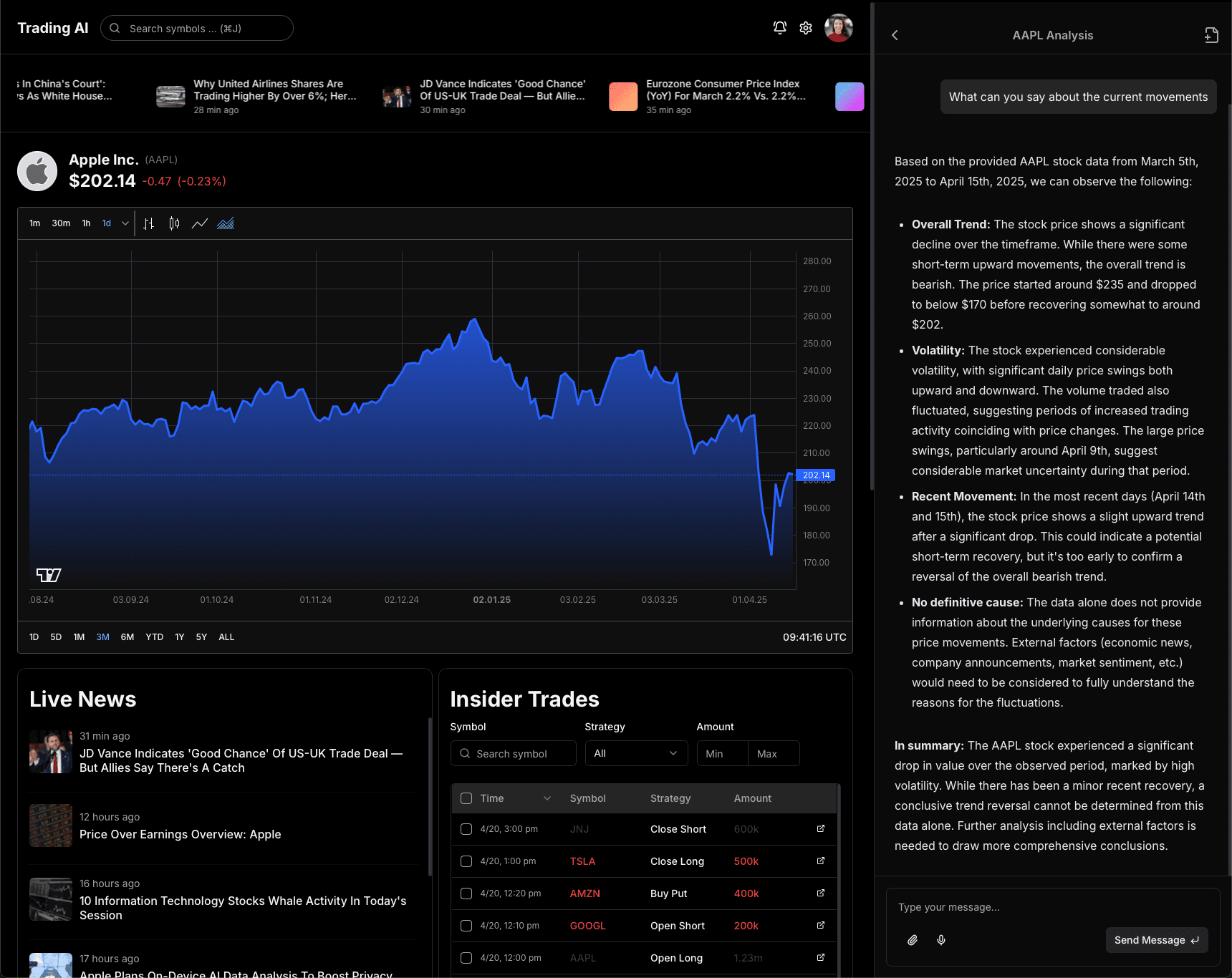
In a recent internal research cycle, Coustra’s agents identified a consistent volatility pattern across several mid-cap tech stocks — detectable long before official announcements or earnings revisions.
These findings emerged during stress-testing of our recursive analysis pipeline, where agents were instructed to correlate micro-movements with external events. What surfaced was a recurring signature: small, non-random volatility buildups 18–36 hours before corporate news.
Why traditional tools miss it
Conventional scanners tend to view data in isolation — price, filings, macro signals, or order flow — but not in combination. The volatility buildup only became visible when agents simultaneously analyzed all of these sources and compared them across multiple timeframes.
This insight demonstrates a key principle behind Coustra:
analysts don’t lack information — they lack time to connect it.
How analysts can use this insight
While not predictive by itself, the pattern offers:
- Early warnings for deeper investigation
- Better preparation for pre-event scenarios
- A stronger sense of market “temperature” before volatility expands
Coustra is designed to surface these subtle patterns without requiring constant monitoring.
A glimpse into future research capabilities
As agent workflows evolve, these types of discoveries will become routine. Research that took teams hours — or may not have been possible at all — will become a natural by-product of automated, continuous analysis.
This is one of many early signals showing how AI can augment real analysts — not replace them — by revealing what’s hidden behind the noise.
More news
Coustra launches beta and reveals early findings from AI-driven market research
Today marks a major milestone for Coustra: the first public beta of our AI research platform is now live. After years of development and months of working alongside early analysts and funds, we are opening access to teams who want to rethin…
Sector rotation research accelerated by 70% through Coustra agent workflows
Sector rotation analysis is one of the most time-consuming workflows for analysts. It requires reviewing macro trends, comparing sector performance, evaluating options activity, tracking fund flows, and identifying momentum transitions.